
Top Signs Your HOA Needs New Management (And What to Do Next)
When to Change HOA Management
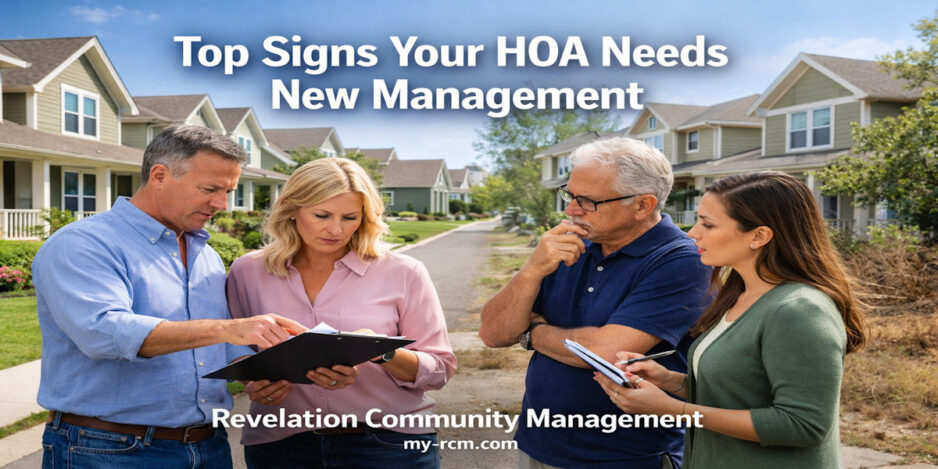
If your HOA is experiencing ongoing communication breakdowns, financial inconsistencies, poor maintenance, or rising resident complaints, it may be time to change your HOA management company.
- Repeated resident complaints
- Delayed or unclear communication
- Neglected maintenance issues
- Lack of financial transparency
- Board frustration or burnout
These are all strong indicators that your current management company is no longer meeting your community’s needs.
1. Poor Communication Is Becoming the Norm
Clear and consistent communication is one of the most important responsibilities of any HOA management company. If your board or residents are constantly left in the dark, it’s a major red flag.
Signs of Communication Issues:
- Emails and calls go unanswered for days
- Residents complain about lack of updates
- Board members struggle to get timely reports
- Important announcements are missed or delayed
Real-Life Scenario: A homeowner submits a request for architectural approval and hears nothing for weeks. Frustrated, they escalate the issue publicly, creating unnecessary conflict in the community.
What to Do: Document communication failures and address them directly with your management company. If the issue continues, begin evaluating alternatives.
2. Maintenance Issues Are Piling Up
A well-managed community should be clean, safe, and visually appealing. If maintenance requests are ignored or delayed, your property values—and resident satisfaction—will suffer.
Common Maintenance Red Flags:
- Landscaping is neglected
- Repairs take weeks or months
- Vendors are unreliable or unresponsive
- No proactive maintenance planning
Real-Life Scenario: A broken gate remains unrepaired for months, creating safety concerns and frustration among residents.
What to Do: Review your management agreement and service expectations. If your current company isn’t meeting them, it may be time to switch.
3. Financial Transparency Is Lacking
Your HOA’s finances should always be clear, accurate, and accessible. A lack of transparency is one of the biggest warning signs of a bad HOA management company.
Warning Signs:
- Delayed financial reports
- Confusing or inconsistent accounting
- Unexplained expenses
- Difficulty accessing financial records
Real-Life Scenario: The board discovers discrepancies in monthly reports but struggles to get clear answers from management.
What to Do: Request a full financial review. If concerns persist, consider bringing in a third-party audit and exploring new management options.
4. Resident Complaints Are Increasing
Every HOA receives occasional complaints, but a surge in resident dissatisfaction often signals deeper issues.
Common Complaints Include:
- Slow response times
- Inconsistent rule enforcement
- Lack of professionalism
- Poor customer service
Real-Life Scenario: Multiple homeowners attend board meetings to voice concerns about the same unresolved issues.
What to Do: Track complaint trends and use them as data when evaluating your management company’s performance.
5. Your Board Feels Overwhelmed
Your management company should make your job easier—not harder. If your board is constantly putting out fires, something isn’t working.
Signs of Board Burnout:
- Board members handling day-to-day tasks
- Frequent emergency meetings
- Lack of strategic planning
- High turnover among board members
Real-Life Scenario: Board members are spending evenings chasing vendors and responding to homeowner complaints instead of focusing on long-term goals.
What to Do: Reevaluate your management structure and consider a company that offers proactive support and leadership.
What to Do Next: Switching HOA Management Companies
If you’ve identified multiple warning signs, it may be time to take action. Transitioning to a new management company doesn’t have to be overwhelming.
Step-by-Step Guide:
- Review Your Contract: Understand termination clauses and timelines.
- Gather Board Feedback: Align on goals and expectations.
- Research New Companies: Look for experience, transparency, and strong communication.
- Request Proposals: Compare services, pricing, and approach.
- Create a Transition Plan: Ensure a smooth handoff of records and responsibilities.
For a deeper look at how to choose the right partner, visit our HOA Management Model.
Helpful Resources
- Community Associations Institute (CAI)
- U.S. Department of Housing and Urban Development (HUD)
- HOA Legal Guide by Nolo
Final Thoughts
Recognizing when to change HOA management is one of the most important decisions your board can make. The right company will improve communication, maintain your community, and provide financial clarity—while the wrong one can hold your community back.
If your HOA is experiencing these issues, don’t wait. Taking action now can protect your property values and restore confidence among residents.
Looking for a better HOA management experience? Contact us today to learn how we can help your community thrive.